Decoding Food Labels 101: How to Read Nutrition Facts
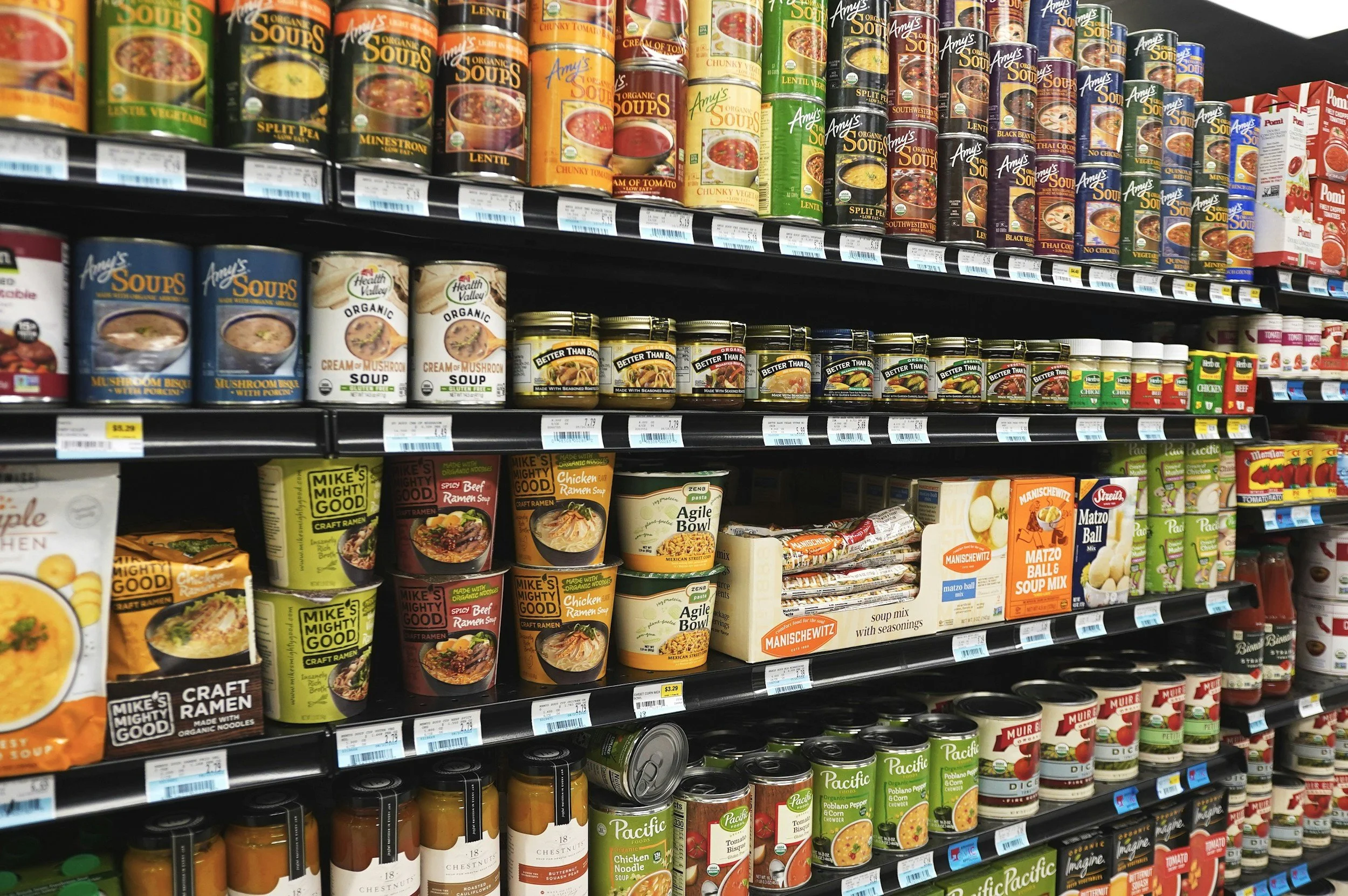
Ever stand in the grocery store aisle, holding two boxes of “healthy” crackers, and wonder which one is actually better for you? Between the bold claims on the front and the tiny print on the back, food labels can feel like trying to crack a secret code.
The good news? Once you know what to look for, decoding labels becomes way less intimidating — and way more empowering. In this guide, we’ll break down the basics of reading food labels so you can make confident choices for yourself and your family.
Step 1: Start with the Nutrition Facts Panel
This little box is your best friend. It tells you what’s really inside, beyond the flashy “low-fat!” or “made with whole grains!” promises.
Serving Size: Always check this first. If the serving size is 10 chips but you eat 30 (we’ve all been there), you need to multiply everything by three.
Calories: Think of this as your energy meter. Not something to obsess over, but good to be aware of.
Macronutrients:
Fat → Look for more unsaturated (olive oil, nuts) and less saturated or trans fats.
Protein → Great for muscle repair, energy, and satiety.
Carbs → Choose complex carbs with fiber (whole grains, veggies, beans). Fiber is your hunger-busting hero.
Micronutrients: Scan for key vitamins and minerals like calcium, potassium, iron, and vitamin D. These are the behind-the-scenes VIPs of your health.
Step 2: Flip to the Ingredient List
This is where the truth really shows.
Order matters: Ingredients are listed by weight. If sugar is one of the first three, you know what’s really driving that “energy bar.”
Keep it short & simple: The fewer ingredients, the better. Aim for foods made with ingredients you recognize and can pronounce.
Watch for sneaky sugars: They show up under dozens of names (high-fructose corn syrup, cane juice, maltose). Different names, same effect.
Check for additives: Artificial colors, preservatives, and flavor enhancers aren’t always harmful, but less is usually more.
Whole grains win: Look for the word “whole” before grains (whole wheat, whole oats).
Step 3: Understand Common Label Claims
Here’s the thing: the front of the package is marketing, not a health guarantee. Here’s what some of those buzzwords really mean:
Organic: Grown without synthetic pesticides or fertilizers. Great, but “organic” cookies are still cookies.
Non-GMO: Made without genetically modified organisms. Doesn’t automatically mean healthier, but may align with your values.
Gluten-Free: Essential for people with celiac or gluten sensitivity. For everyone else? It’s not automatically healthier.
Low-Fat/Fat-Free: Often means fat has been swapped for sugar or salt. Always check the ingredient list.
👉 Rule of thumb: Don’t let the front of the package trick you. Always turn it over.
Step 4: Grocery Shopping Tips That Make Life Easier
Stick to whole foods when you can. Fresh fruits, veggies, lean proteins, whole grains, nuts, and seeds are the real MVPs.
Minimize ultra-processed items. Packaged snacks often hide sugars, additives, and unhealthy fats.
Compare products. Two yogurts side by side? Check the sugar and protein to see which one actually supports your goals.
Hydrate wisely. The best label is no label — drink more water! Aim for about half your body weight in ounces each day.
Final Thoughts
Learning to read food labels isn’t about obsessing or aiming for perfection. It’s about awareness and empowerment. When you understand what’s in your food, you get to decide what works best for your body, your energy, and your goals.
So next time you’re in the grocery aisle, remember: your cart is more than just groceries — it’s an investment in your health. And you don’t need to be a nutritionist to make smart choices. You just need to flip the box, scan the facts, and trust yourself.
Because at the end of the day, food isn’t just fuel — it’s part of the bigger picture of fueling your body, freeing your mind, and finding your balance.
