Fibermaxxing for Women: How to Increase Fiber Without the Bloat
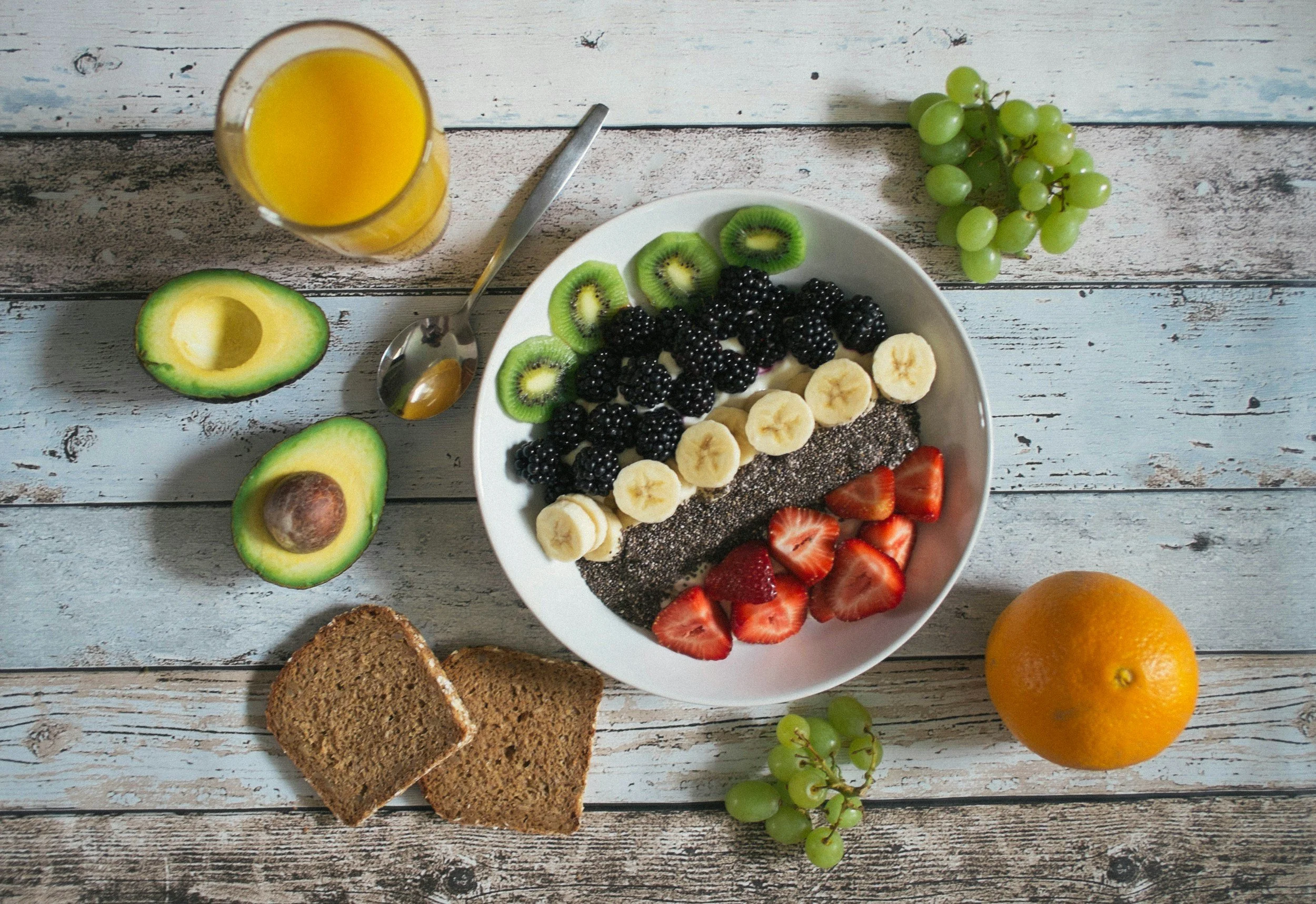
Hey there, friend — let’s talk about something that’s been blowing up on social media lately: fibermaxxing.
It sounds like one of those new wellness fads, but it’s really just a fancy way of saying “get your fiber in.” And honestly? It’s about time fiber got her moment.
Because when you do it right, fiber can help with everything from hormone balance and gut health to better skin, less bloating, and more energy. But when you do it wrong — it can leave you feeling puffy, gassy, and questioning your life choices halfway through lunch.
So today we’re breaking down how to boost your fiber the right way — no gut drama, no restriction, and no crazy powders. Just real food and real results.
Why Fiber Is Basically a Superpower for Women
Fiber isn’t just about keeping things “regular” (though, yes… that’s part of it). It plays a major role in how you feel every single day.
Here’s what it does for you:
Happy gut = happy hormones. Fiber feeds the good bacteria in your gut, which helps balance estrogen and reduce PMS symptoms.
Steady energy + fewer cravings. It slows digestion and keeps blood sugar steady — so you’re not crashing by 3 p.m.
Better skin + detox support. Your gut and liver love fiber because it helps remove toxins and excess hormones.
Fuller for longer. High-fiber meals keep you satisfied without feeling stuffed.
Most women only get around 15 grams per day, but the sweet spot is closer to 25–35 grams. The key is easing your way up there — not going from zero to chia-seed-smoothie overnight.
How Much Fiber You Really Need
Let’s keep it simple:
Age Group Recommended Fiber (grams per day)
Women 19–30 28g
Women 31–50 25g
Women 50+ 22g
If you’re not close to those numbers yet, no stress. Add about 5 extra grams per week until you get there. That’s like throwing some chia in your yogurt or adding a handful of veggies to dinner. Easy wins.
How to Fibermaxx Without Feeling Like a Balloon
If you’ve ever tried adding fiber and ended up bloated, you’re not broken — your gut’s just like, “Whoa, this is new!”
Here’s how to increase fiber without feeling like you swallowed an air pump:
1. Go slow and steady
Jumping from 10g to 30g overnight? Nope. Your gut needs time to adjust. Add a little at a time so your body can actually use it.
2. Drink more water (a lot more)
Fiber works by soaking up water. If you’re not hydrating, it can do the opposite of what you want. Aim for at least 80–100 oz a day.
3. Mix up your fiber types
Soluble fiber (oats, chia, apples, beans) helps balance blood sugar.
Insoluble fiber (veggies, grains, seeds) keeps digestion moving.
You need both for the best results.
4. Spread it out
Don’t pack all your fiber into one massive smoothie. Your gut prefers smaller amounts throughout the day — think 7–10g per meal.
5. Support your gut bugs
Add some probiotics to help your microbiome handle the upgrade. Yogurt, kefir, sauerkraut, or a probiotic capsule work great. Try these ones!
💡 Pro Tip: If you’re adding chia seeds, start with 1 teaspoon and slowly work up to 1 tablespoon. Trust me on this one.
The Best High-Fiber Foods for Women
You don’t need weird supplements to get enough fiber. Just build it into your normal meals:
Breakfast- Chia seeds (1 tbsp) 5g
Snack- Raspberries (1 cup) 8g
Lunch- Avocado (½ medium) 5g
Dinner- Lentils (1 cup cooked) 15g
Dessert- Dark chocolate (1 oz, 70%) 3g
Other great options:
Pears, apples, and oranges
Chickpeas, black beans, lentils
Broccoli, carrots, sweet potatoes
Oats, barley, brown rice
Ground flaxseeds or psyllium husk
You can make tiny swaps that add up fast — white rice → quinoa, white bread → sourdough, chips → popcorn or fruit. Little changes, big results.
How to Tell You’ve Gone Overboard
More isn’t always better. Here’s what happens when you take fibermaxxing too far:
Bloating or cramping
Constipation (especially if water intake is low)
Feeling overly full or sluggish
Trouble absorbing certain nutrients
If that’s you, take a small step back, drink more water, and let your gut reset. Fiber should make you feel better, not worse. How to Track Your Fiber (Without Obsessing)
You don’t need to log every bite forever — but tracking for a week helps you see where you’re at.
Try:
Apps: Cronometer or MyFitnessPal
Simple method: 5+ servings of fruits/veggies + 2–3 servings of whole grains daily
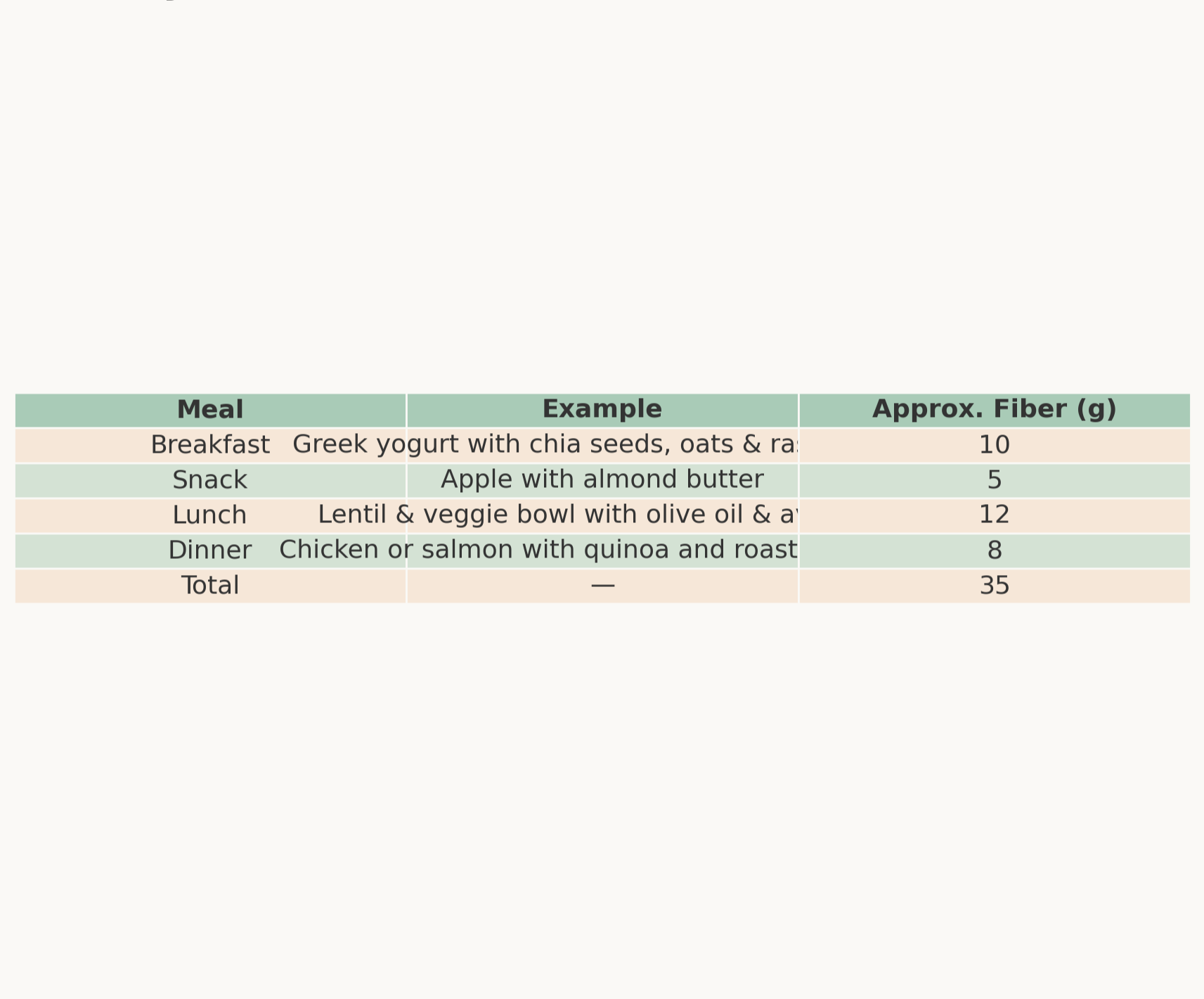
1-Day Fibermaxx Meal Plan
Here’s what a real, high-fiber day looks like:
The Bottom Line
Fibermaxxing isn’t a diet — it’s a simple way to help your body do what it’s already trying to do.
You’re not cutting carbs, counting calories, or chasing a cleanse. You’re just giving your gut the nutrients it needs to thrive.
Start small, drink your water, and be consistent. Within a couple of weeks, you’ll notice better digestion, fewer cravings, and way more energy.
💚 Real food, real fiber, real results. That’s the kind of trend I can get behind.
