The ABCs of Macronutrients: Carbs, Protein & Fat Explained
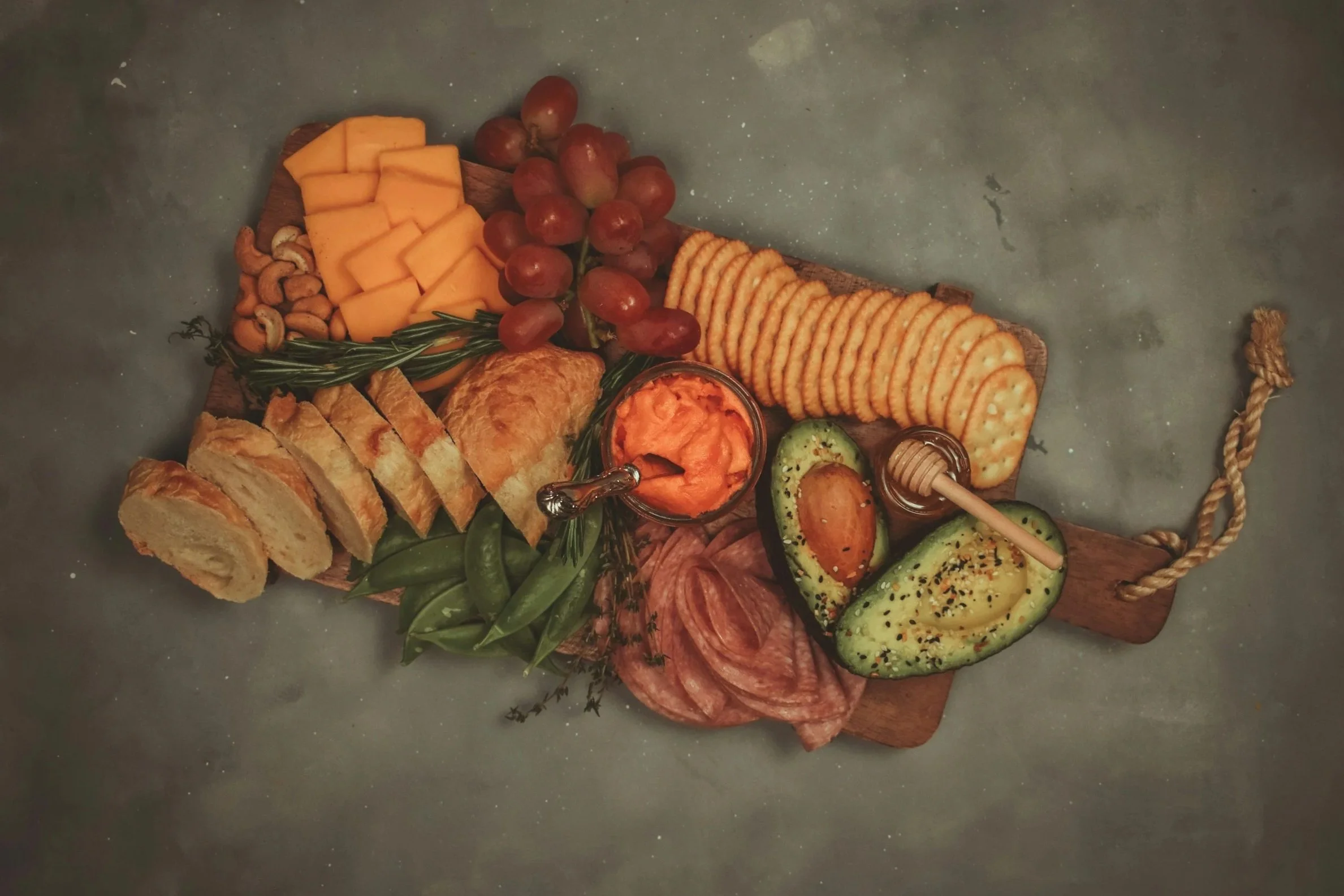
When it comes to eating well, most of us have asked: Should I cut carbs? Am I eating too much fat? Do I need more protein? The truth is, it doesn’t have to be so complicated. If you want balanced energy, better workouts, and a healthy relationship with food, it starts with understanding the three macronutrients: carbohydrates, protein, and fat.
These aren’t scary “diet words.” They’re the foundation of your nutrition — the nutrients your body needs in large amounts to thrive. And learning how to balance them is a game-changer for your health, fitness, and energy levels.
Let’s break them down — no fad diets, no fear, just simple nutrition truths you can actually use.
Carbohydrates: Your Body’s Favorite Energy
Carbs get a bad rap, but here’s the reality: they’re your body’s primary source of energy. Without them, you’ll feel sluggish, cranky, and like your brain is running on dial-up internet.
Best sources of carbs:
Whole grains (oats, quinoa, brown rice)
Fruits (bananas, berries, apples)
Vegetables (sweet potatoes, broccoli, carrots)
Legumes (beans, lentils, chickpeas)
👉 Carbs aren’t the enemy. Stick with complex carbs (the ones with fiber and nutrients) to fuel your workouts, power your day, and keep blood sugar steady.
Protein: The Building Block of Strength
Protein is like your body’s handyman — repairing, rebuilding, and preserving muscle tissue. It also helps keep you satisfied after meals (bye-bye, constant snacking).
Best sources of protein:
Lean meats (chicken, turkey, lean beef)
Fish (salmon, tuna, cod)
Eggs
Greek yogurt, cottage cheese
Plant-based options: beans, lentils, tofu, tempeh
Protein powder (a convenient boost when life gets hectic)
👉 Women especially benefit from consistent protein intake — it supports metabolism, helps maintain muscle as we age, and keeps energy levels steady. Spread protein throughout the day instead of eating it all at once.
Fats: The Unsung Hero
Let’s clear this up: fat doesn’t make you fat. The right fats support hormones, brain health, glowing skin, and help your body absorb vitamins A, D, E, and K.
Best sources of healthy fats:
Avocados
Nuts & seeds (chia, flax, walnuts, almonds)
Olive oil (extra virgin)
Fatty fish (salmon, sardines)
Coconut (oil, flakes, or milk in moderation)
👉 Just watch portions — fats are calorie-dense. A drizzle of olive oil or a handful of nuts goes a long way.
Putting It All Together: Balanced Meals in Real Life
Here’s how a day of balanced macronutrients might look:
Breakfast → Overnight oats with berries, chia seeds, and almond butter. (Carbs + protein + fat ✅)
Lunch → Quinoa salad with grilled chicken, mixed veggies, and olive oil vinaigrette.
Snack → Apple with peanut butter or Greek yogurt with walnuts.
Dinner → Salmon with roasted sweet potatoes and sautéed spinach.
👉 Rule of thumb: Aim for a balance of carbs + protein + fat at every meal. It keeps energy steady, curbs cravings, and supports overall health.
Tailoring Macros to Your Goals
How much of each macronutrient you need depends on your body, goals, and lifestyle:
For weight loss → Prioritize protein (to protect muscle), choose complex carbs, and use healthy fats for satiety.
For muscle tone & strength → Spread protein throughout the day, time carbs around workouts for energy, and add fats for flavor + hormone support.
For everyday wellness → Keep it simple with balanced meals, hydration, and listening to your body’s signals.
💡 Pro tip: You don’t need to obsessively track every bite forever. But using a macronutrient calculator for a week or two can help you learn what your body actually needs.
Final Thoughts
Carbs, protein, and fat aren’t just nutrients on a label — they’re the ABCs of your health. Once you understand their roles, you can build meals that give you energy, keep you satisfied, and move you toward your goals without restriction or confusion.
So instead of fearing carbs, skipping fats, or under-eating protein, start focusing on balance. Because food isn’t just about calories — it’s about fueling your body, freeing your mind, and finding your balance.
You’ve got this.
