Anti-Inflammatory Foods 101: Eat to Reduce Inflammation
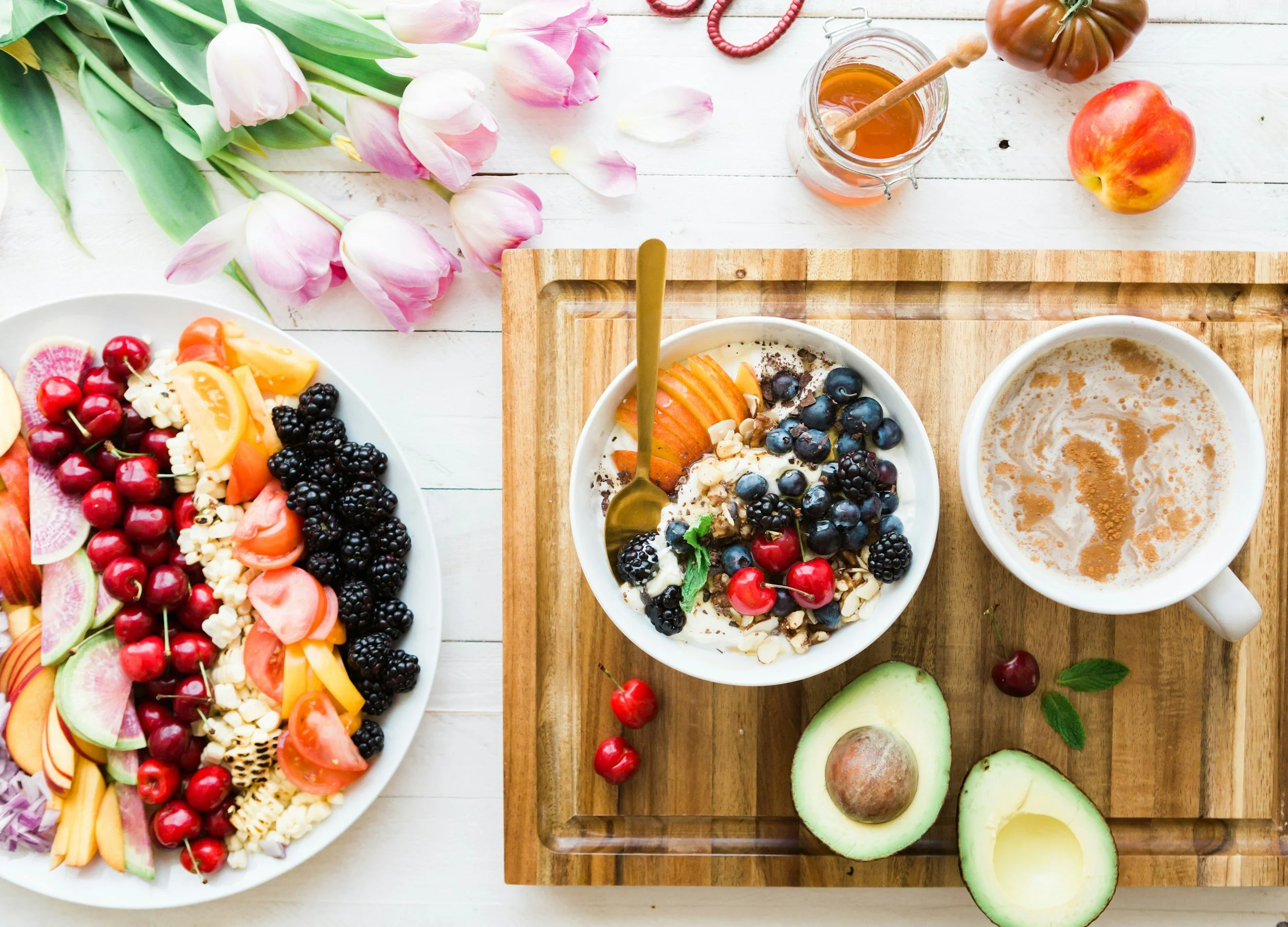
Inflammation isn’t always the villain. In fact, it’s your body’s natural way of healing after an injury or fighting off an infection. But when inflammation hangs around too long (hello, chronic inflammation), it stops being helpful and starts causing trouble — think joint pain, fatigue, and long-term health risks.
One of the most powerful ways to reduce chronic inflammation? Food. Yep, what’s on your plate matters.
I know this firsthand. A couple of years ago, I found myself dealing with stubborn shoulder inflammation. After countless doctors’ visits and endless bottles of Motrin, I felt stuck. So, I started digging into holistic, natural solutions — reading books, researching late at night, and experimenting in my own kitchen.
What I discovered is this: food can either fuel the fire of inflammation or help put it out. And once I started shifting my diet, things began to change for me. That’s why I’m sharing this guide — because if it helped me, maybe it’ll help you too.
Let’s dive in.
What is Inflammation, Really?
Inflammation = your body’s built-in defense system. White blood cells, immune cells, and chemical messengers rush in to fight infection, heal injury, and keep you safe.
- Short-term inflammation = good (like when you sprain an ankle).
-Long-term inflammation = not so good. It can contribute to arthritis, diabetes, heart disease, and even autoimmune conditions.
The good news? You can fight back with food.
The Worst Offenders: Foods That Trigger Inflammation
Some foods are basically pouring gasoline on the fire. Here are the big ones to limit or avoid:
Refined sugar → spikes blood sugar, triggers inflammatory messengers. Think soda, pastries, candy.
Trans fats → damage cells and drive inflammation. Found in fried foods, margarine, and packaged baked goods.
Processed meats → hot dogs, deli meats, and sausages contain compounds linked to inflammation.
Refined carbs → white bread, crackers, pastries = blood sugar roller coaster.
Excessive alcohol → moderation is fine, excess = liver and inflammation issues.
Highly processed snacks → chips, packaged crackers, and many “diet” snacks are full of additives and oils that can stir up inflammation.
Certain vegetable oils → soybean, corn, sunflower oil (too high in omega-6) can create imbalance when overused.
Artificial sweeteners/additives → may mess with gut health and spark inflammatory responses.
Quick tip: If the ingredient label looks like a chemistry experiment, it’s probably not doing your body any favors. Stick with foods your grandmother would recognize.
The Best Anti-Inflammatory Foods to Add to Your Plate
Here’s your starter list of powerhouse foods that cool the fire instead of stoking it:
Fatty fish (salmon, sardines, mackerel) → loaded with omega-3s.
Berries → rich in antioxidants and vitamin C.
Broccoli & leafy greens → packed with sulforaphane and phytonutrients.
Turmeric → curcumin is a natural anti-inflammatory superhero.
Green tea → full of polyphenols that fight inflammation.
Avocados → healthy fats + antioxidants.
Olive oil (extra virgin) → a cornerstone of the Mediterranean diet.
Dark chocolate (70% or higher, in moderation) → contains flavonoids that protect cells.
Tomatoes → high in lycopene, especially when cooked.
Nuts (especially walnuts) → omega-3s and fiber for the win.
How to Eat for Less Inflammation (One Meal at a Time)
Making the shift doesn’t have to be overwhelming. Start small with these steps:
Prioritize omega-3s → fatty fish twice a week, or add chia/flaxseeds to smoothies.
Go Mediterranean → more veggies, whole grains, olive oil, lean protein.
Swap refined carbs → trade white bread for sourdough or oats.
Eat the rainbow → colorful fruits and veggies = more antioxidants.
Spice it up → turmeric, ginger, garlic, cinnamon, rosemary = flavor + anti-inflammatory benefits.
Choose healthy fats → avocado, nuts, olive oil > processed oils.
Drink smarter → replace sugary drinks with green tea or water.
Check your labels → aim for short, simple ingredient lists.
Balance alcohol → a glass of red wine now and then? Fine. Half a bottle nightly? Not so much.
Be consistent, not perfect → long-term habits matter more than one “perfect” day of eating.
What an Anti-Inflammatory Diet May Help With
Research suggests that eating this way can reduce risk factors or ease symptoms of:
Arthritis
Diabetes
Heart disease
Asthma
Autoimmune conditions
Alzheimer’s & other neurodegenerative diseases
Obesity
Chronic pain & fatigue
Food won’t cure everything, but it can absolutely be part of your healing toolkit.
Herbs & Spices with Anti-Inflammatory Superpowers
Stock your spice rack with:
Ginger → soothes digestion & reduces inflammation.
Garlic → allicin supports immunity & lowers inflammation.
Cinnamon → balances blood sugar & reduces oxidative stress.
Rosemary → rich in rosmarinic acid.
Turmeric → worth mentioning twice because it’s that good.
Final Thoughts
Here’s the thing: adopting an anti-inflammatory diet isn’t about perfection or restriction. It’s about adding more foods that heal and crowding out the ones that hurt.
Start with one swap at a time. Maybe trade soda for green tea, or add salmon to dinner once a week. Over time, those small shifts add up to big changes — less pain, more energy, and a healthier you.
Because at the end of the day, food isn’t just fuel. Food is medicine.
You deserve to feel your best — and your plate is a powerful place to start.
